
 Latvia
Latvia Uses Applied Improvisation to Build Financial Literacy Among Youth
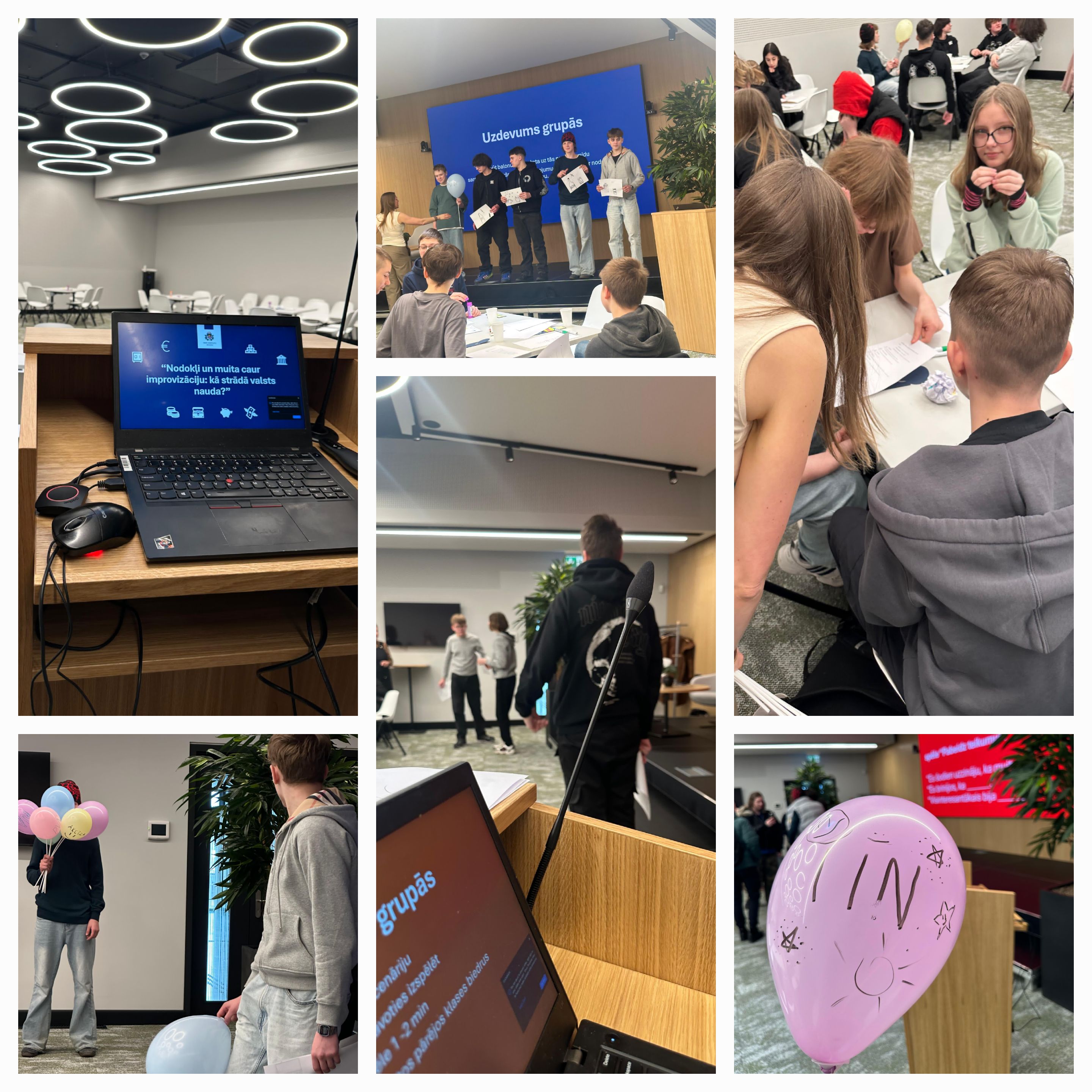
As part of the Latvijas Banka Money School’s Financial Literacy Week, the State Revenue Service of Latvia (SRS) welcomed students for an immersive learning experience designed to help young people understand how the state functions, why taxes are needed, and how customs protects society.
But this was not a traditional lecture. Instead, the workshop transformed the SRS premises into an interactive learning arena, using applied improvisation, movement, and practical simulations to let students experience public administration rather than simply hear about it. This innovative format offered a fresh, dynamic perspective on the role of tax and customs administrations in everyday life.
Hands-On Learning: Students Build a State, Manage a Budget, and Respond to Crises
Throughout the programme, participants became active co-creators of their learning:
- They designed their own “state,” planned a national budget, quickly discovering the trade-offs behind public services and responded to surprise crises, from natural disasters to infrastructure failures, exploring how tax-funded systems ensure public resilience.
- In the customs simulation, they were mirroring real customs risk‑management tasks by performing different scenarios in front of other students.
- Interactive tasks helped them understand how taxes, public spending, and customs operations shape their own daily lives.
The format encouraged curiosity, cooperation, and problem‑solving—competencies essential for future responsible taxpayers.
Applied Improvisation: A Human-Centred Method for Tax Administrations
The workshop was built on applied improvisation, a method SRS professionals increasingly integrate into capacity-building activities both internally and across the EU Fiscalis Programme.
Improvisation techniques helped participants gain a deeper, more intuitive understanding of complex systems. They also reduce anxiety around “difficult topics” such as taxes or compliance and promote a human-centred view of public institutions.
In this event, improvisation acted as the bridge connecting young people to the roles of tax and customs administrations:
- It allowed students to experiment, fail safely, and try again.
- It made public administration tangible, visible, and relatable.
- It created a lively, energetic, and humorous learning environment—quite different from the traditional perception of tax work.
This approach aligns with IOTA member administrations’ growing commitment to nurturing trust, transparency and engagement with future taxpayers.
A Participant’s Spontaneous Reflection: “Amazing, educational and sincere”
Although the event was planned months ahead, it also created a moment of genuine inspiration. One SRS colleague, who happened to observe only the final segment of the workshop, described the experience:
“I arrived completely by accident and only at the end. But even in that short time, what I saw made me sit quietly in a corner in awe. It was truly amazing! Educational, engaging, fun, and heartfelt.”
This spontaneous reaction captures what applied improvisation can achieve: meaningful connection between citizens and institutions.
Strengthening Trust Through Education
SRS continues to expand its youth‑focused initiatives, recognising that early exposure to public finance topics:
- builds long-term financial literacy,
- increases understanding of state functions and public value,
- reduces fear and misconceptions around tax administration,
- and promotes constructive attitudes toward compliance.
This workshop demonstrates that tax and customs administrations can engage creatively, empathetically and effectively—even with the youngest audiences.